The phrase “engine tuning” covers two different conversations: maintaining an engine so it performs as intended, and modifying it for a different performance goal. Understanding the difference helps you ask for the right service.
What a tune-up means today
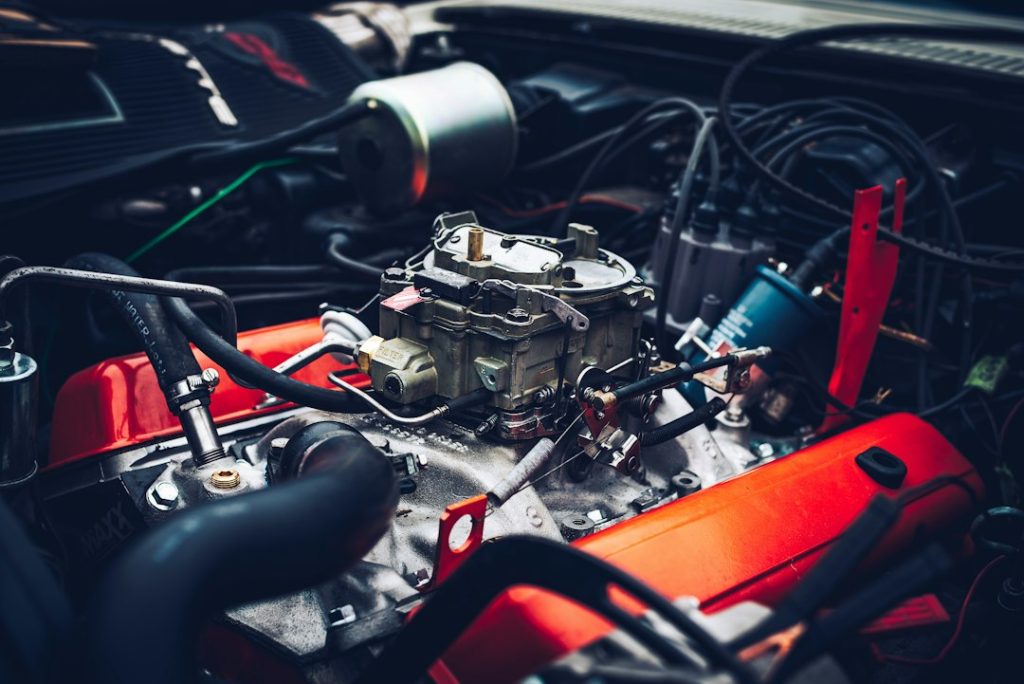
Older engines may have carburetors and other components that require mechanical adjustment. Modern engines rely heavily on electronic controls. Routine care now centers on the vehicle’s specified maintenance items and diagnosing any running problems, rather than applying the same adjustments to every engine.
| Maintenance and diagnosis | Performance modification |
|---|---|
| Supports the vehicle’s intended operation and addresses wear or faults. | Changes the vehicle from its original configuration for a particular goal. |
| Follows the manufacturer’s service guidance and inspection findings. | Requires evaluating compatibility, reliability, warranty, and legal requirements. |
| May help restore performance lost through overdue service or a problem. | Does not guarantee a particular horsepower or fuel economy result. |
Start with the basics
- Check what maintenance is due for your vehicle and engine.
- Discuss rough idle, hesitation, hard starting, or warning lights.
- Use testing to identify the cause of a running problem.
- Ask whether a recommended component is due by schedule or is failing.
- Clarify the expected result before approving any work.
Why diagnosis comes before upgrades
A vehicle with a fault may need repair rather than a performance modification. Installing an upgrade without understanding the existing problem can complicate diagnosis. The useful question is not simply “Can it make more power?” but “Is the engine operating correctly, and what does it need?”
Keep expectations specific. A maintenance visit is not a promise of extra horsepower. Ask which issue the service addresses and how its results will be assessed.
Discuss your engine’s performance
Arboretum Auto Service offers engine diagnostics and scheduled maintenance. Contact the shop to discuss the symptoms or maintenance needs of your vehicle. Explore the related service or contact our team. You can also call 512-343-8393.
Further reading: EPA: following the manufacturer’s maintenance schedule. For instructions specific to your vehicle, consult its owner’s manual.
Featured photo: Alex Marc Wagner via Unsplash. Illustrative stock photo.