Regular car maintenance is a way to look after the vehicle you already own and make informed decisions about its upkeep. It cannot prevent every breakdown, but it can help you spot wear, organize service costs, and avoid letting overdue maintenance go unnoticed.
Start with your vehicle’s maintenance schedule. The right service depends on the manufacturer, mileage, age, driving conditions, and inspection findings—not a universal checklist for every car.
1. Protect the components you rely on
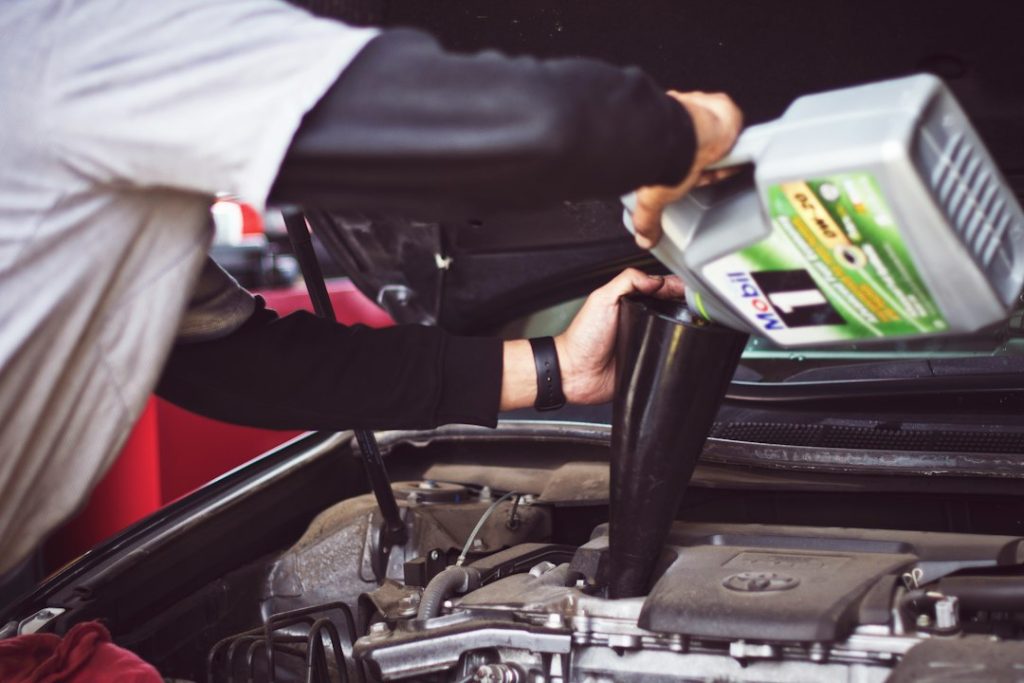
Engine oil, filters, and vehicle-specific fluids have jobs to do. Using the specified products and following the service schedule helps support the systems they protect. Replacing a part simply because a generic schedule says so can also waste money; ask what your vehicle actually needs and why.
2. Notice wear before it becomes a surprise
A maintenance visit is an opportunity to review tires, brakes, belts, hoses, and other visible components. An inspection may identify wear or a leak that deserves attention. It also helps distinguish a repair that needs prompt action from a maintenance item you can plan.
3. Make a practical service plan
Keep invoices and service records together. They help you and your mechanic understand what has already been done, reduce uncertainty about overdue work, and plan the next visit. If several items are due, ask the shop to explain their priority and the estimated cost.
A simple maintenance checklist
- Review the service schedule in your owner’s manual.
- Track service by both time and mileage where the manufacturer specifies them.
- Note new noises, warning lights, leaks, or changes in how the vehicle drives.
- Ask which recommendations are due now and which can be planned.
- Keep a record of the work you approve and the work completed.
Plan your next maintenance visit
Arboretum Auto Service can help you review your vehicle’s maintenance needs and understand the next step. Explore the related service or contact our team. You can also call 512-343-8393.
Further reading: EPA: vehicle maintenance and efficient driving. For instructions specific to your vehicle, consult its owner’s manual.
Featured photo: Tim Mossholder via Unsplash. Illustrative stock photo.