Safety comes first. If your vehicle is overheating or braking, steering, or another condition makes driving unsafe, stop in a safe location and seek appropriate assistance. Do not open a hot cooling system.
Some problems develop gradually; others appear suddenly. Paying attention to a change gives you a better chance to get it evaluated before continuing to rely on the vehicle. These signs do not identify a particular failed part, but they are reasons to investigate.
Overheating or a rising temperature gauge
An unusual temperature reading, steam, or a coolant concern should not be treated as routine. Follow your owner’s manual, stop safely when required, and allow trained assistance to assess the situation. A cooling system inspection can help determine whether there is a leak or another fault.
Braking that feels different
Grinding, pulling under braking, a changed pedal feel, or reduced stopping performance deserves professional attention. Pads are only one part of the brake system. A complete evaluation is more useful than assuming that one component explains every symptom.
Fluid leaks or unusual smells
A new puddle, repeated fluid loss, a burning odor, or a fuel smell is information to report promptly. Avoid touching unknown fluids or attempting a roadside repair. Tell the shop where and when you noticed the issue.
Warning lights and running problems
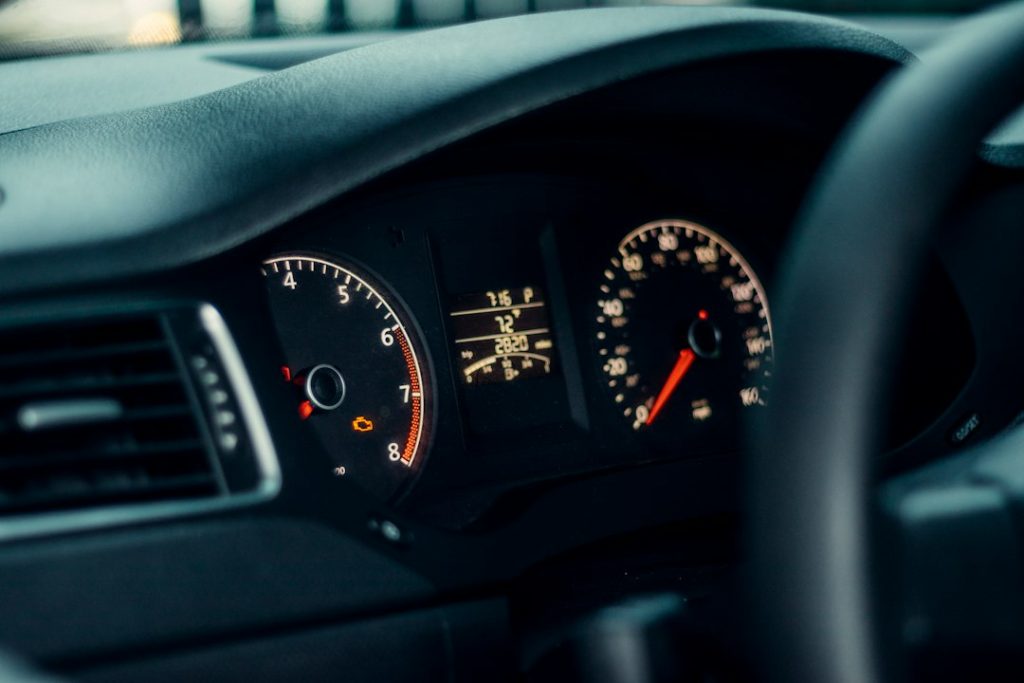
A warning light accompanied by shaking, stalling, power loss, or other symptoms needs evaluation. Different warning symbols mean different things. Use the vehicle’s manual for immediate instructions rather than treating every light as the same problem.
What to record before contacting the shop
- The warning symbol or symptom you observed.
- When the problem began and whether it is getting worse.
- Whether it happens at idle, on acceleration, while turning, or under braking.
- Any recent service and whether fluids have needed repeated topping up.
Have a concern checked
Describe what you are experiencing to Arboretum Auto Service. If the vehicle may be unsafe, arrange appropriate assistance instead of driving it to the shop. Explore the related service or contact our team. You can also call 512-343-8393.
Further reading: NHTSA: vehicle checks and cooling system care. For instructions specific to your vehicle, consult its owner’s manual.
Featured photo: Griffin Wooldridge via Unsplash. Illustrative stock photo.